Korean Won Weakens 5.8 to 1,429.8 per Dollar, Pressing the 1,430 Line
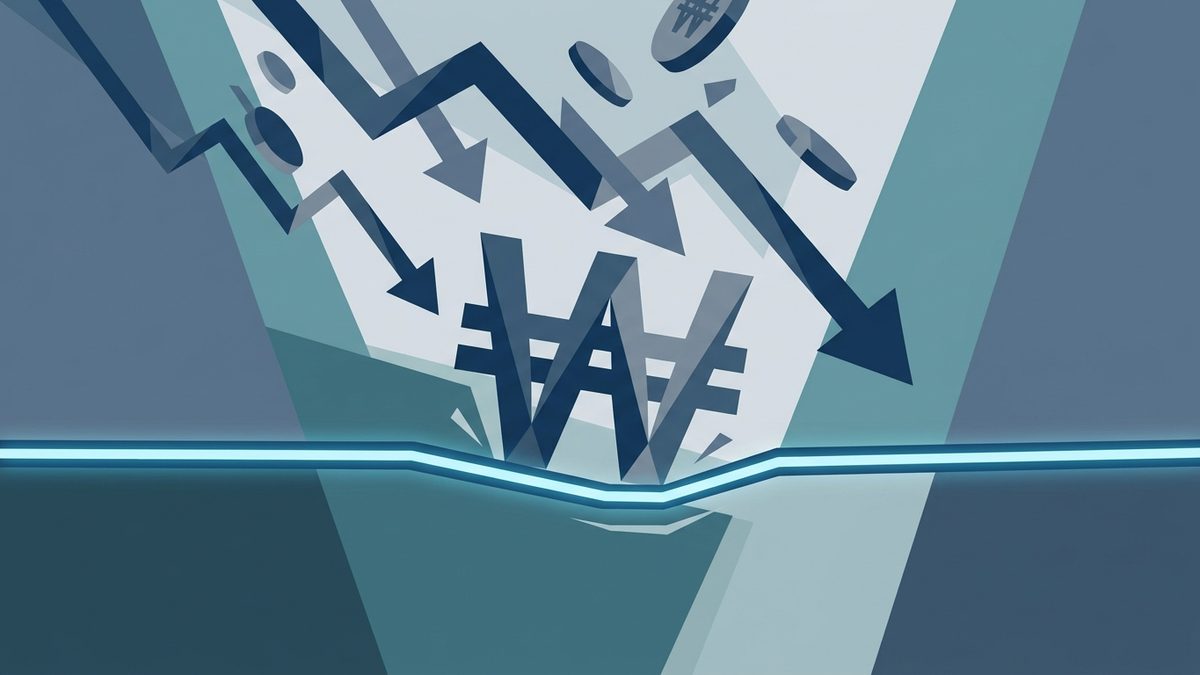
The Korean won ended the August 3 session at 1,429.8 per U.S. dollar, weakening 5.8 won from the previous close as measured at the 3:30 p.m. base rate that marks the end of onshore trading. The move leaves the currency just 0.2 won shy of the 1,430 line, a level the market treats as a psychological checkpoint on the way toward the year’s weaker extremes.
A One-Day Move With a Clear Direction
A 5.8-won single-session decline is not a rout, but it is large enough to be felt. The close implies the won started the comparison at 1,424.0 per dollar, meaning the currency gave up roughly 0.4 percent of its value against the greenback in one trading day. The 15:30 reading matters because it serves as the day’s reference rate for a wide range of onshore contracts and corporate settlements — it is the number importers, exporters, and banks book against, not merely a quote on a screen.
Why 1,430 Is More Than a Round Number
Levels ending in round tens carry outsized weight in the won market because they tend to concentrate corporate hedging orders and option strikes. A decisive push through 1,430 would put the exchange rate into territory where dollar-buying by importers becomes more expensive to defer, while exporters holding dollar receivables gain an incentive to wait — a dynamic that can feed on itself and extend the depreciation. Conversely, if the rate stalls here, the 1,430 area can harden into near-term resistance for the dollar.
What a Weaker Won Transmits to the Economy
For Korea, a softer currency cuts both ways. Exporters in semiconductors, autos, and shipbuilding see won-denominated revenues improve on dollar sales. The cost side is less forgiving: crude oil, gas, and imported food are invoiced in dollars, so a rate near 1,430 raises import bills and adds pressure to consumer prices with a lag of a few months. That trade-off is the reason exchange-rate levels in this range draw attention from policymakers weighing inflation against export competitiveness, and why the next few sessions’ closes around the 1,430 threshold will be read closely for confirmation of a trend rather than a one-day adjustment.
Sources (3) — ChosunBiz · Yonhap News Agency
- ChosunBiz, 2026-08-03
- Yonhap News Agency, 2026-08-03
- Yonhap News Agency, 2026-08-03